Century of Impact: Resilience, Responsibility, and Service – Lessons from Professor Antoni Kruszewski: Warsaw Uprising Veteran, Scholar and Community Leader
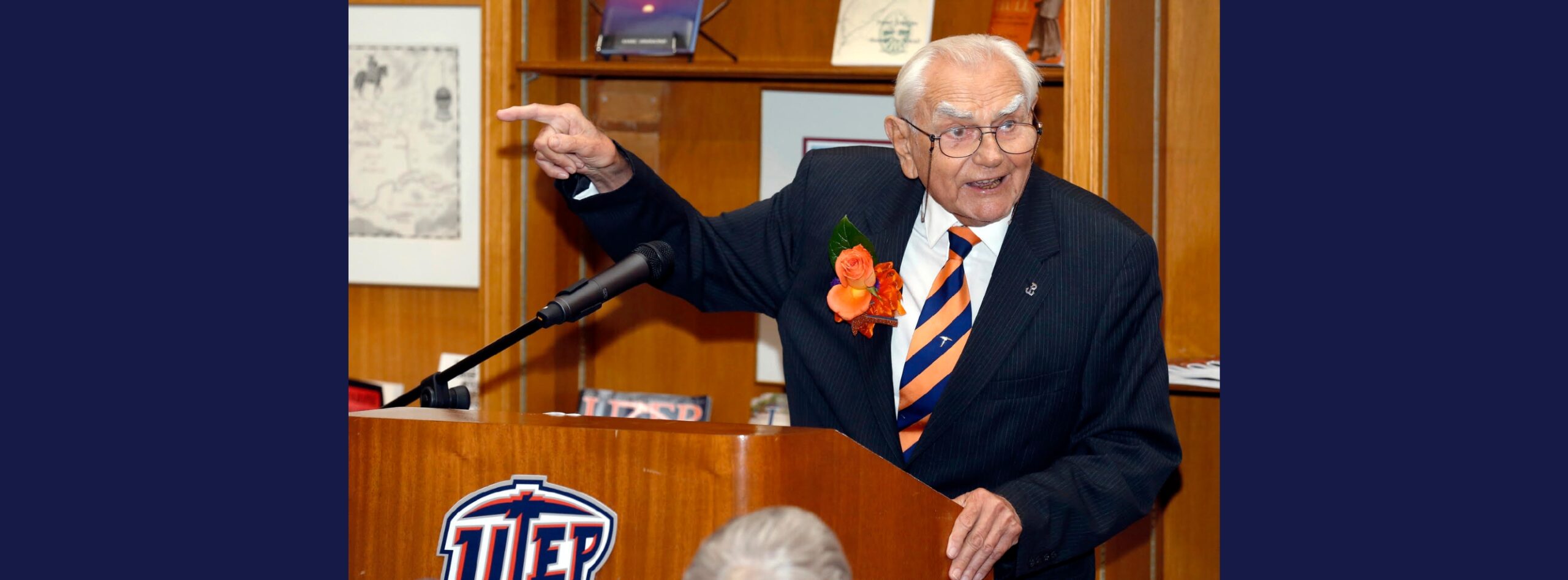
“The Foundation opened the door for me when I arrived in America with almost nothing. It gave me the opportunity to study, to research, and to serve. (...). It also inspired me to give back – supporting Polish culture, education, and visibility in America.”
– Zbigniew Anthony Kruszewski, Ph.D.
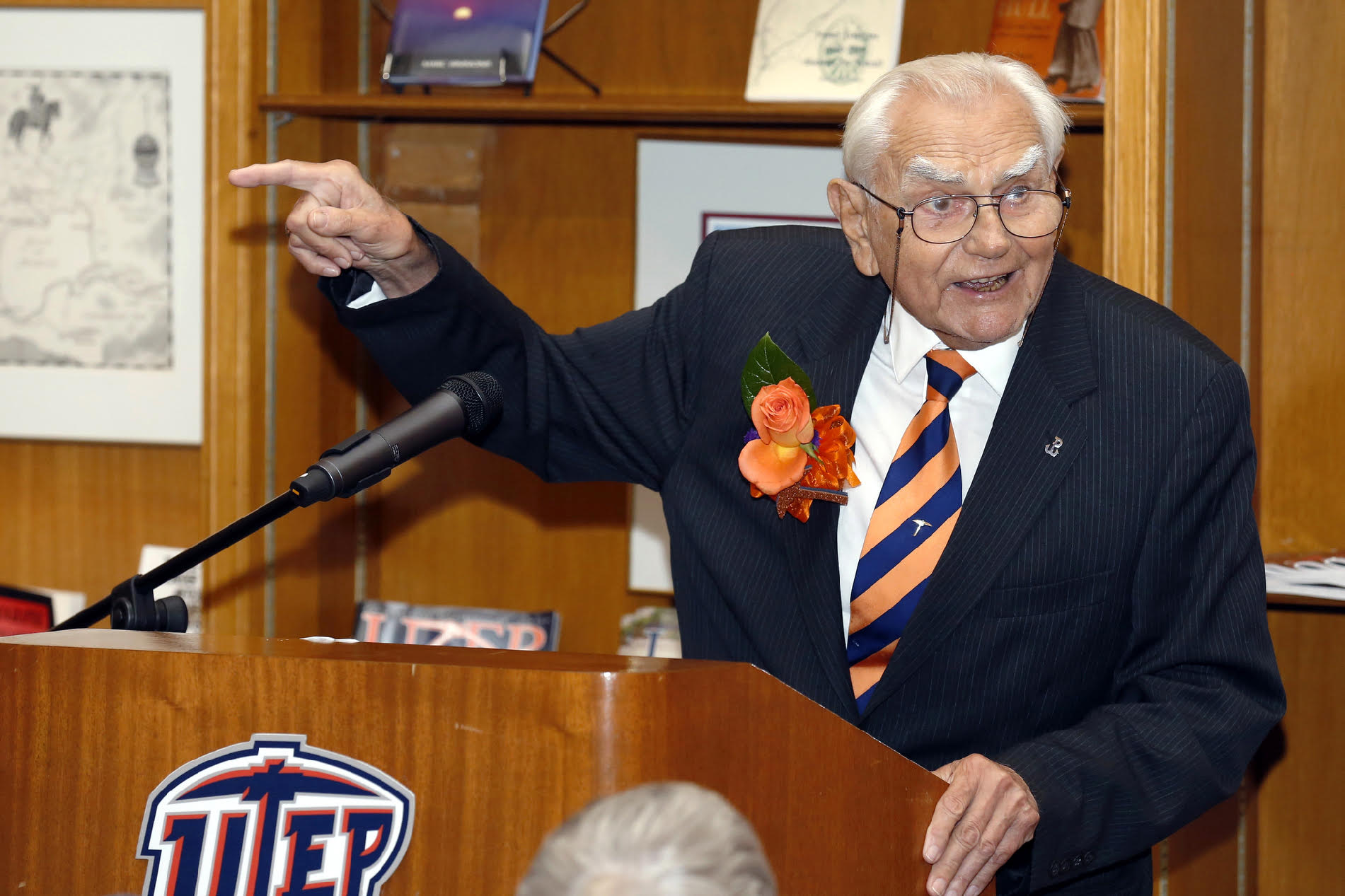
Professor ZBIGNIEW ANTHONY KRUSZEWSKI (b. 1928) is one of the most senior Kosciuszko Foundation scholarship recipients, a veteran of the Warsaw Uprising, and a distinguished scholar of border studies. After earning his PhD at the University of Chicago, he became a professor at the University of Texas at El Paso, where he pioneered research on U.S.–Mexico and European borderlands. A longtime leader in the Polish American community, he has dedicated his life to education, culture, and service. Still active today, at the time of our interview he was preparing for a trip to Poland, where he delivered a series of lectures at leading universities.
ANNA TARNAWSKA: You were very young during World War II. Could you tell us about your experience in the Warsaw Uprising and how it shaped you?
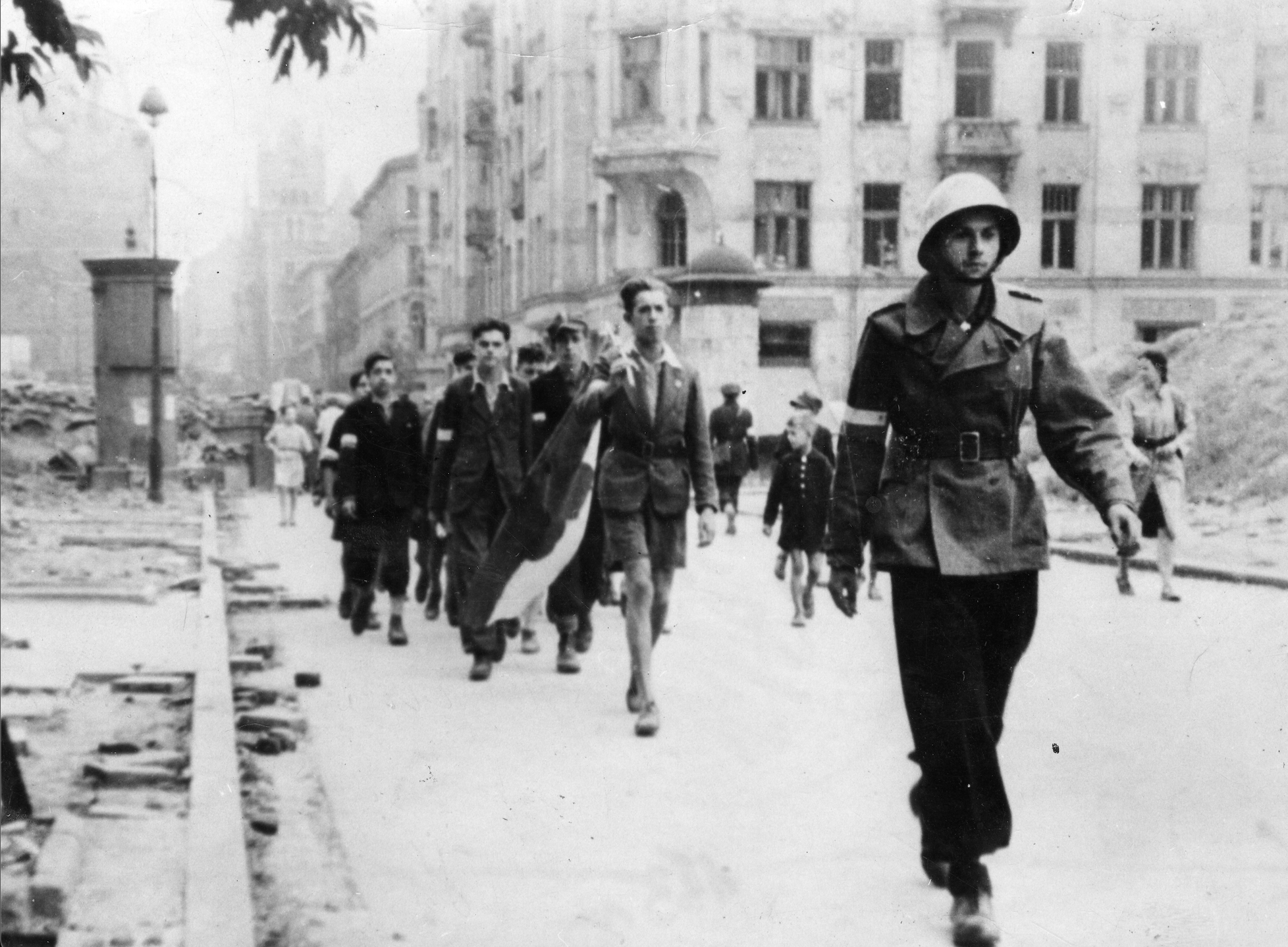
PROF. KRUSZEWSKI: I joined the Szare Szeregi, the underground scouting movement, and soon became part of the Armia Krajowa, the Home Army. I was only 15 when I led about 100 scouts supporting resistance operations.
On August 1, 1944, the day the Warsaw Uprising began, I was on a spying mission across the city. At 5:00 p.m., the fighting erupted, and I found myself crossing the Poniatowski Bridge. I often call this “the decision at the bridge”: if I had turned east, I might have stayed in Poland under Soviet rule; turning west led me into the Uprising and eventually to emigration.
I joined the Krybar Battalion in Powiśle. We fought with almost no weapons. At first, I had only two bottles of gasoline, but we managed to burn German tanks. Most of my unit was wiped out by artillery. Later, I helped run the underground postal service, carried messages through sewers, and joined various units until the capitulation. Eventually, I was sent to a prisoner-of-war camp in Germany, liberated in April 1945.
These experiences shaped me for life. They taught me resilience, responsibility, and the importance of service to my country and community.
AT: What happened after the war? How did you end up in the United States?
PK: After the war, I joined General Anders’ 2nd Polish Corps in Italy. Anders organized not only military units but also schools and universities for displaced Polish youth. I completed my high school diploma in Italy before being transferred to England. I wanted to study, as it had always been my mother’s dream for me. But opportunities to study in Britain were limited and expensive, so in December 1951 I decided to emigrate to the United States.
AT: Could you tell us more about your connection with the Kosciuszko Foundation and how it supported your studies?
PK: I arrived in New York in January 1952 with $51. One of my first stops was the Kosciuszko Foundation, where President Stephen Mizwa encouraged me to apply to a university and assured me that with hard work, scholarships would follow.
Thanks to the Foundation, I secured a scholarship to the University of Chicago. At first, I studied accounting, but soon I transferred to political science and international relations—my true passion. Later, the Foundation funded my research in Poland in 1959, when I became the first American to receive a visa to conduct fieldwork there under communism. That trip allowed me to complete my PhD dissertation on Poland’s western border and modernization. The Foundation provided not just financial support but also a sense of belonging and responsibility to give back.
AT: Shortly after, you became very active in PolishAmerican organizations. How did that come about?
PK: Almost immediately after arriving in Chicago, I joined the Polish-American Congress. Its president, Karol Rozmarek, asked me to help write anti-communist speeches in Polish. This early involvement helped me build a network in both academic and Polish American circles. From then on, I was deeply engaged in Polonia’s cultural and political life.
Over the decades, I worked to unite the Polish academic community in America. In the 1950s and 60s, I helped compile the first directory of Polish professors in U.S. universities—about 2,000 names at the time. We organized conferences, promoted Polish studies, and supported young students with scholarships. In 1991, I was elected Vice President of the Polish-American Congress, defeating Jan Nowak-Jeziorański by five votes. That was a proud moment, showing the community;s trust in me.
AT: One of your major achievements was establishing Polish Studies at the University of Chicago. Could you tell us about that?
PK: In the 1960s, the University of Chicago had a Slavic Department, but it offered only Russian. I argued that it should include Polish. When they said they lacked funding, I turned to the Polish American community. The Legion of Young Polish Women agreed to fund half the salary for a new professorship. I recruited distinguished scholars such as Maria Kuncewiczowa and Tymon Terlecki to teach. That’s how Polish Studies began at the University of Chicago. And it continues today. Securing a permanent place for Poland in American academia is one of my greatest victories.
AT: How did your academic career develop after your PhD?
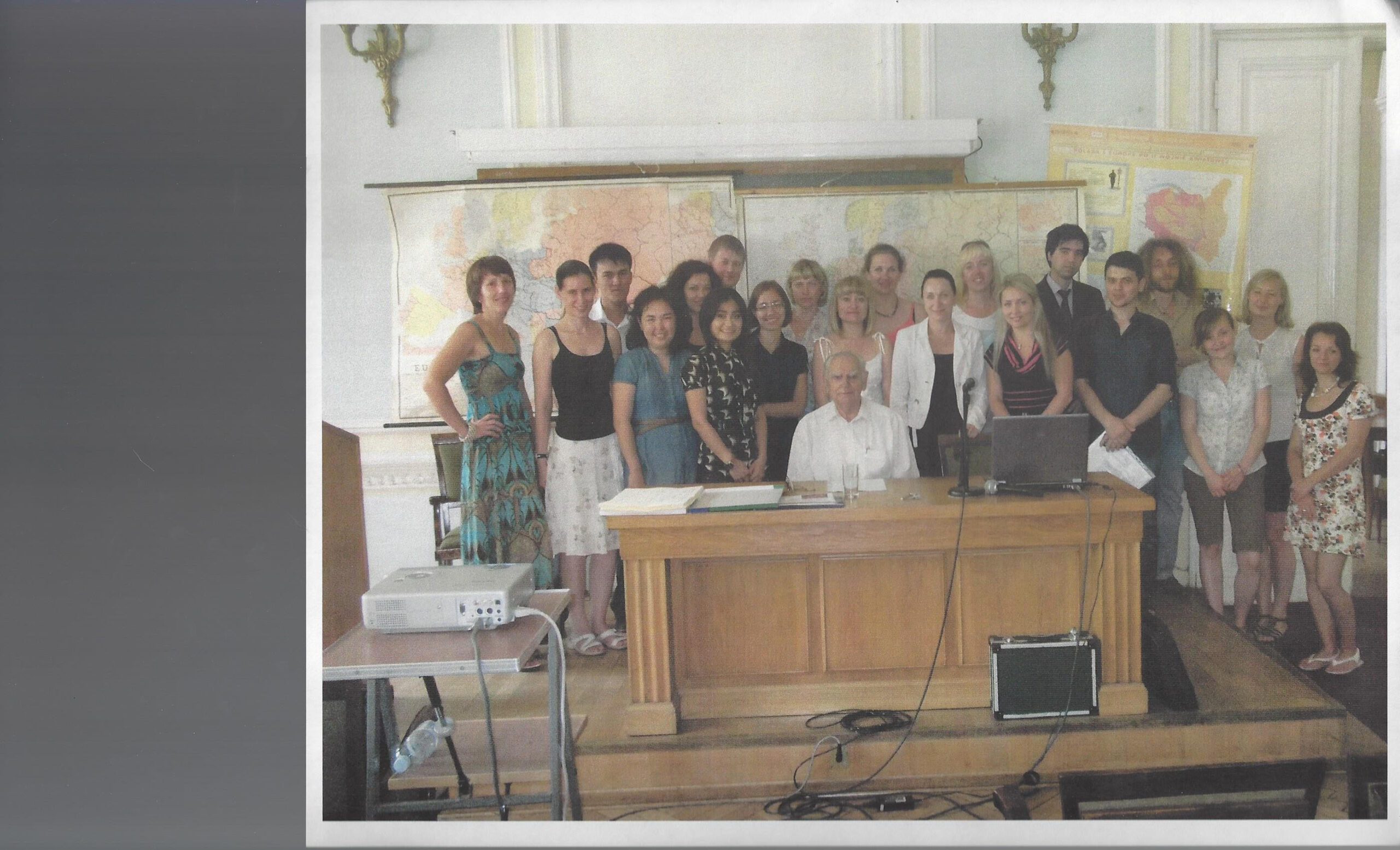
PK: After earning my doctorate in political science in 1967, I taught at the State University of New York near the Canadian border, focusing on border studies. Later, I moved to the University of Texas at El Paso, expecting to stay five years but remaining for fifty. In El Paso, I became active in cultural life. I served on the board of the local Holocaust Museum, and promoted integration of the Polish community into broader American society.
AT: Your work extended to creating scholarships and named professorships in the U.S. How did that develop?
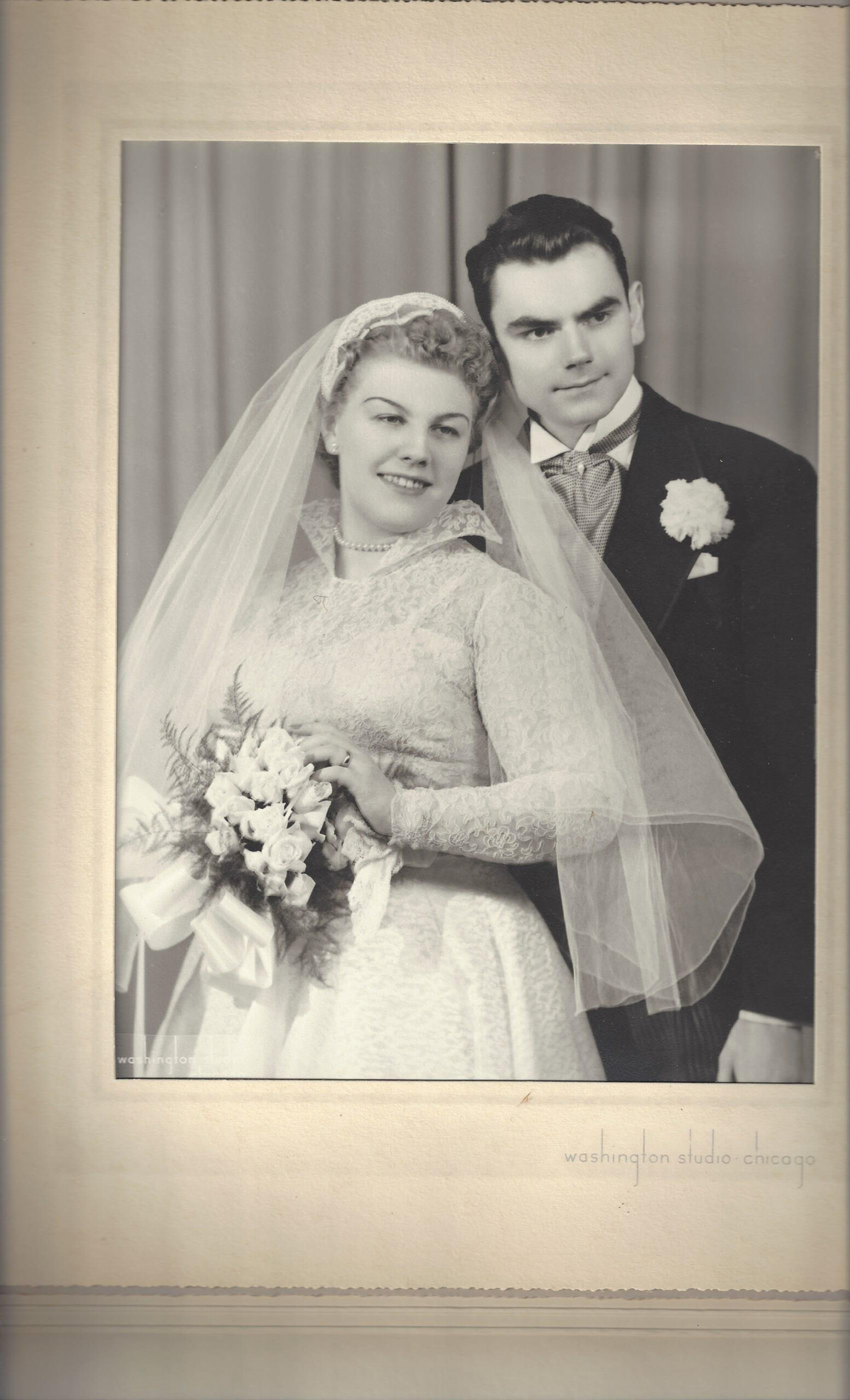
PK: After becoming a professor, I donated half my salary and funds from estates to establish Polish-named professorships at The University of Texas at El Paso (UTEP), including the Antoni Grabowski Professorship of Modern Languages—named after my grandfather, the first poet to write in Esperanto and a friend of Zamenhof, and the June Sadowska-Kruszewska Professorship of Spanish. Together with my wife, Jadwiga, an actress of the Reduta Theater, we dedicated resources to cultural and educational causes. I also created scholarships for Polish students to study at UTEP, now coordinated with the Kosciuszko Foundation to continue this legacy.
AT: Looking back, what does the Kosciuszko Foundation mean to you today?
PK: The Foundation opened the door for me when I arrived in America with almost nothing. It gave me the opportunity to study, to research, and to serve. Without it, my academic path might have been impossible or different. It also inspired me to give back—supporting Polish culture, education, and visibility in America. The Foundation embodies that mission: building bridges, nurturing talent, and ensuring Polish heritage has a voice in the wider world.
AT: How important is education in preserving and promoting Polish culture and heritage, particularly within the Polish-American community?
PK: Education is essential for visibility and contribution. Despite improvements, too few students study Polish culture in American universities. Supporting scholarships and Polish studies ensures our heritage and knowledge are preserved and shared.
AT: Looking back on your life and experiences, what key lesson from history do you think is most important for humanity to remember?
PK: First, take care of your family—they are your foundation. I had a wonderful wife, whose support made half of my work possible. Beyond that, be active and engaged. Whether in scholarship, community work, or cultural preservation, contributing to society and staying involved is essential. In El Paso, for example, I helped establish cultural initiatives, Polish studies programs, and scholarships that continue to impact students.
AT: What advice would you give to today’s generation of Kosciuszko Foundation fellows and scholars?
PK: I would encourage them to be proactive, seek out opportunities, and engage with the wider community. Polish scholars in America are far more numerous than in my early days, but there is still work to be done. They should create networks and contribute to both their academic fields and Polish culture.
AT: You’ll soon be lecturing again at several Polish universities, including the University of Warsaw. From your perspective, what are the main similarities and differences between higher education in the U.S. and in Poland?
PK: Europe and Poland could learn from the American model of private support for universities. In the U.S., alumni and foundations regularly establish named scholarships, which fund education and research. Poland could benefit tremendously from similar initiatives to strengthen higher education and support students.
AT: On behalf of the Kosciuszko Foundation and myself, thank you for the conversation
What's New?