Disturb the Silence: Jewish Manuscript Found in Limanowa
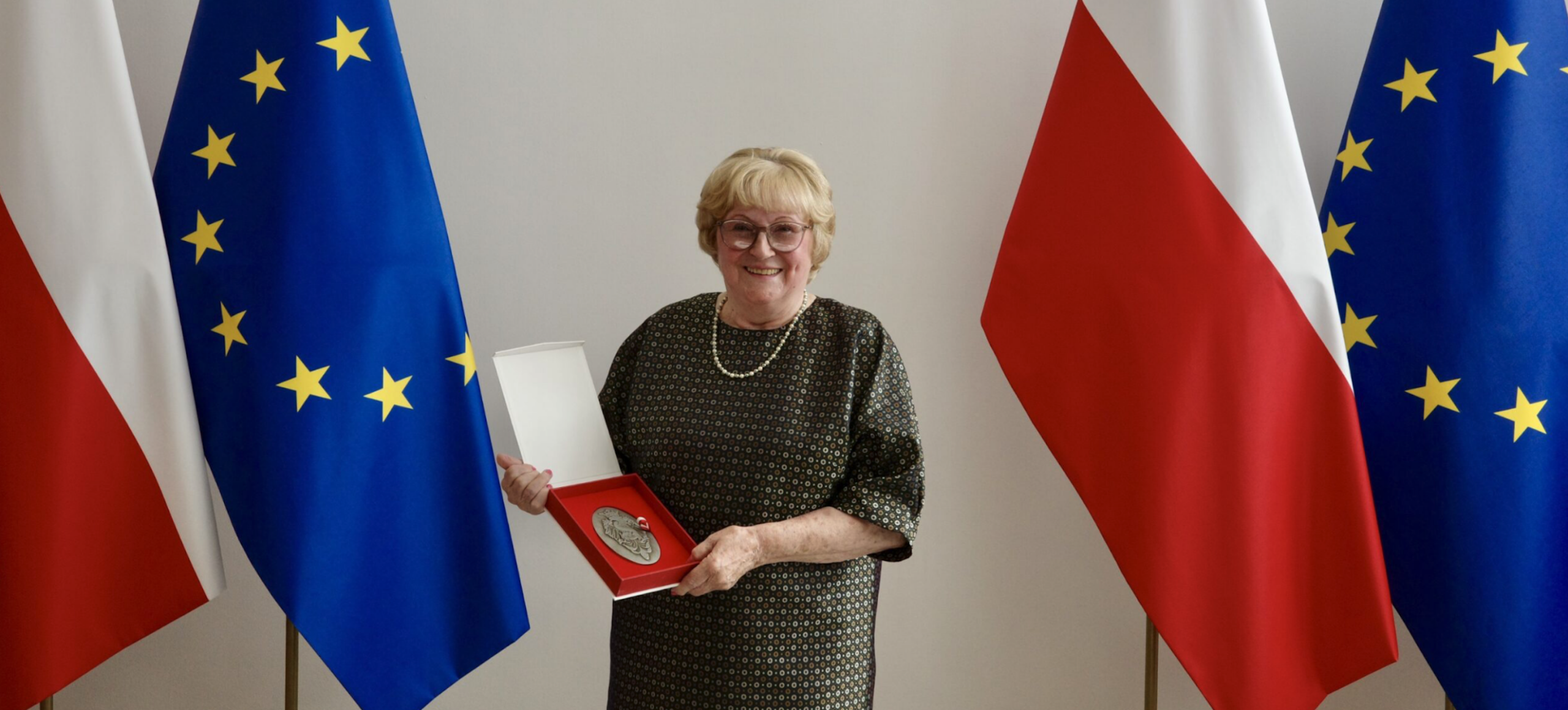
“The scholarship opened up access to resources and mentorship I couldn’t have imagined before, but it also gave me something deeper: a sense of responsibility toward the past and a clearer vision of my own future.”
– Andrzej Ciepliński, 2024/25 Exchange to the U.S. scholarship recipient
Jewish manuscript found in Limanowa: research at YIVO
When I found out I got the Kosciuszko Foundation scholarship, the thought of spending three months in New York City felt completely unreal. I knew it would be an incredible opportunity, but I had no idea how deeply it would change both my research and how I see my own cultural heritage. Landing at JFK airport was amazing but a bit overwhelming. New York has incredible energy that you can only understand when you’re actually there. I finally got to see the famous skyline in person. My first week went by really fast. I was going to orientation meetings, filling out forms, and spending a lot of time walking around the city trying to see everything.
The heart of my project was research into Jewish music, specifically, a collection of century-old manuscripts discovered in Limanowa, a small town in southern Poland. The collection likely belonged to a musician named Salomon Susskind. The most challenging part for me was uncovering information about pre-war Jewish life in Limanowa, as most of the historical records were destroyed in a fire that consumed the town’s archives.
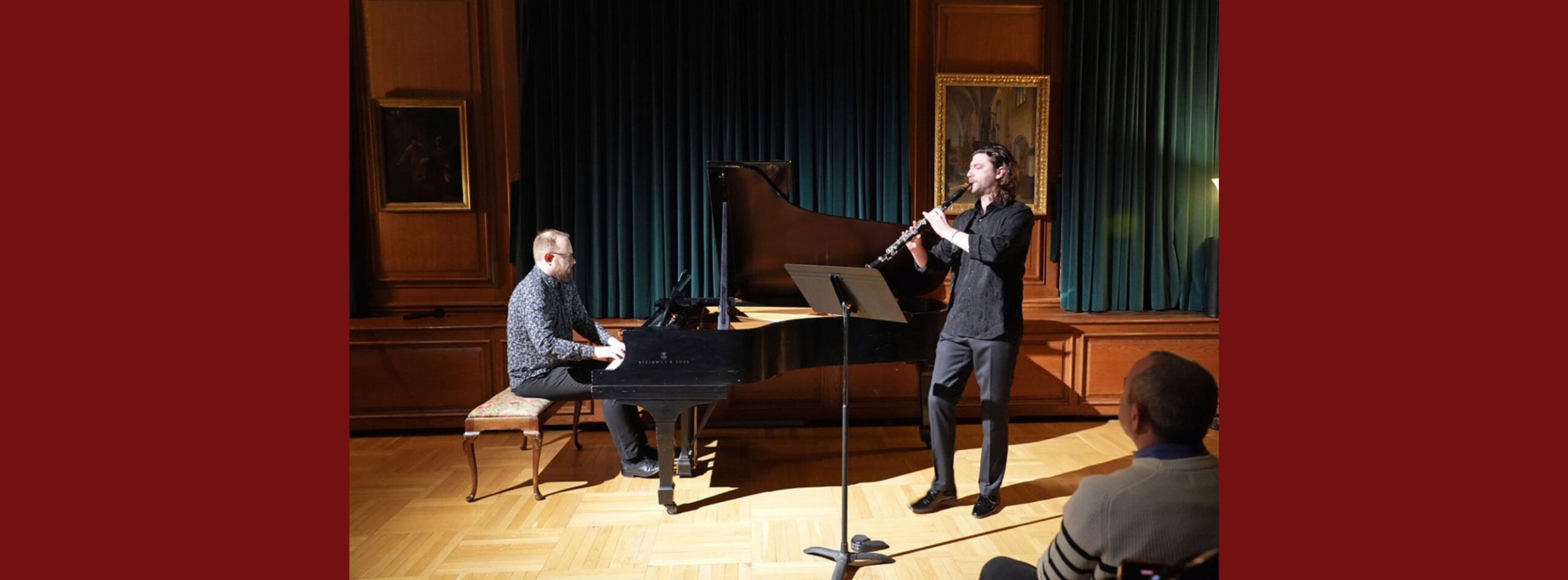
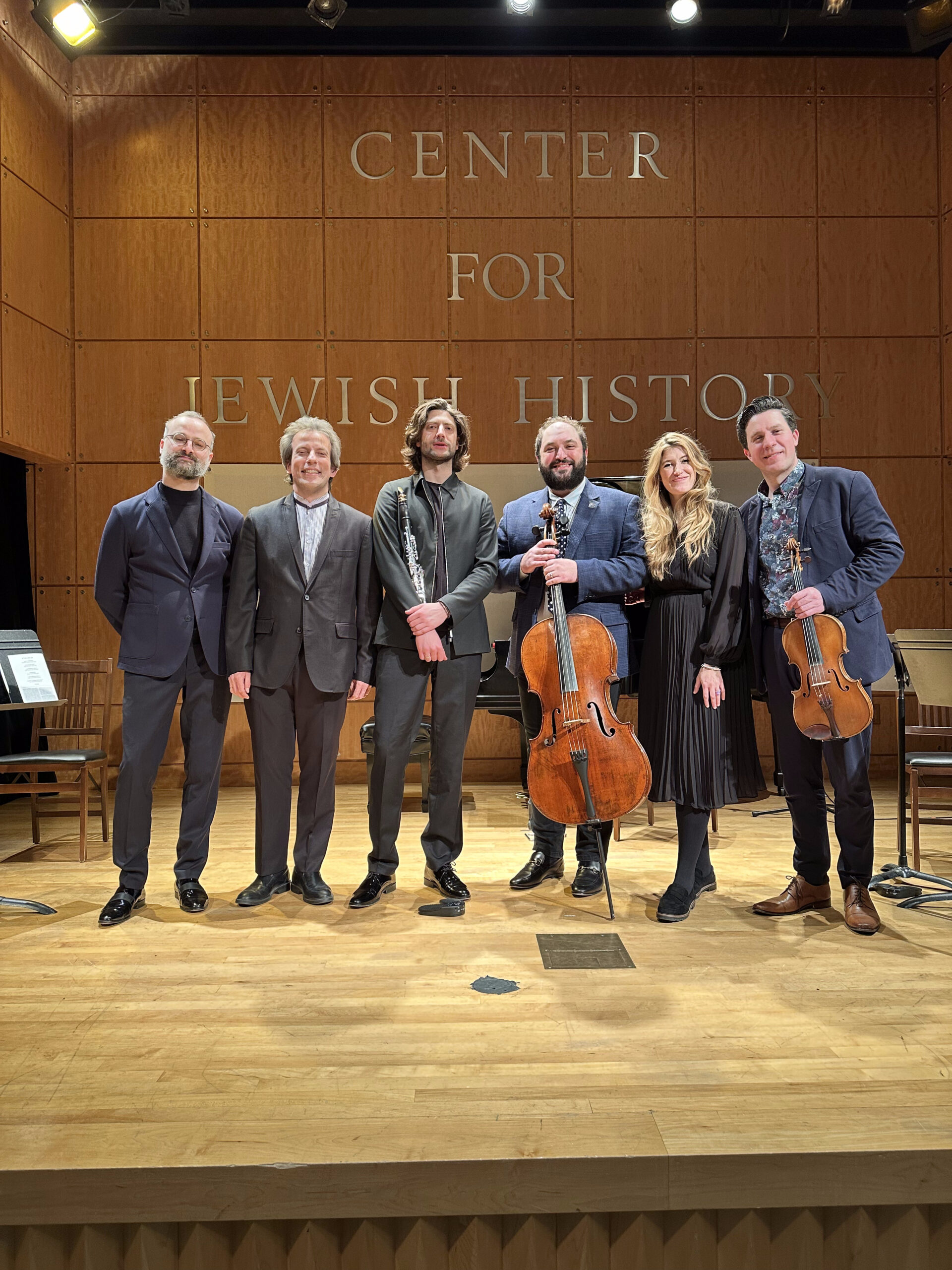
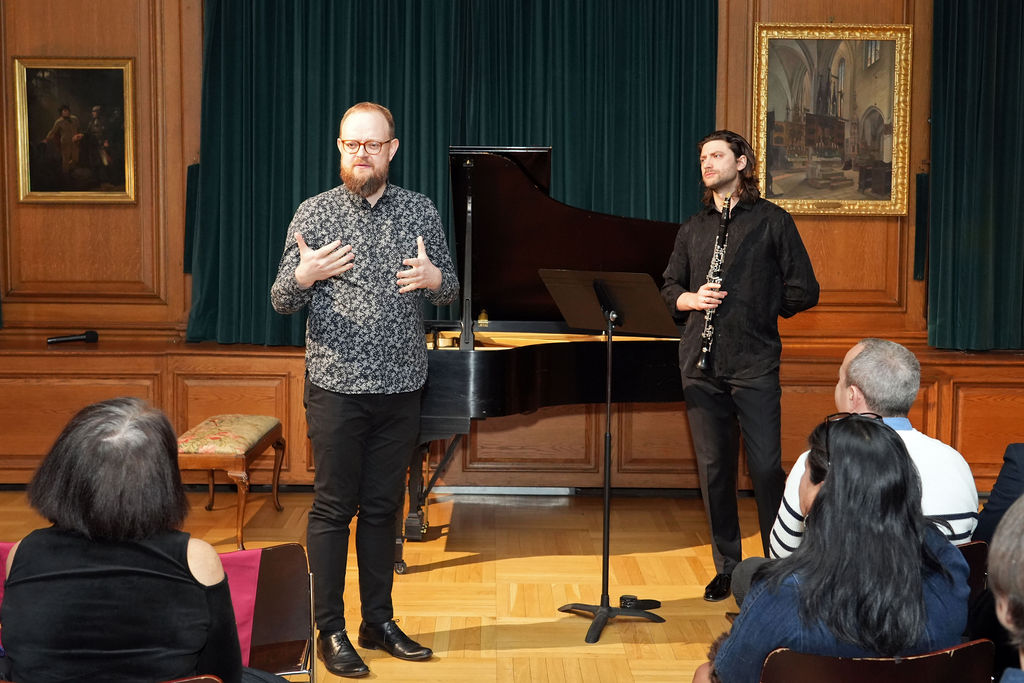
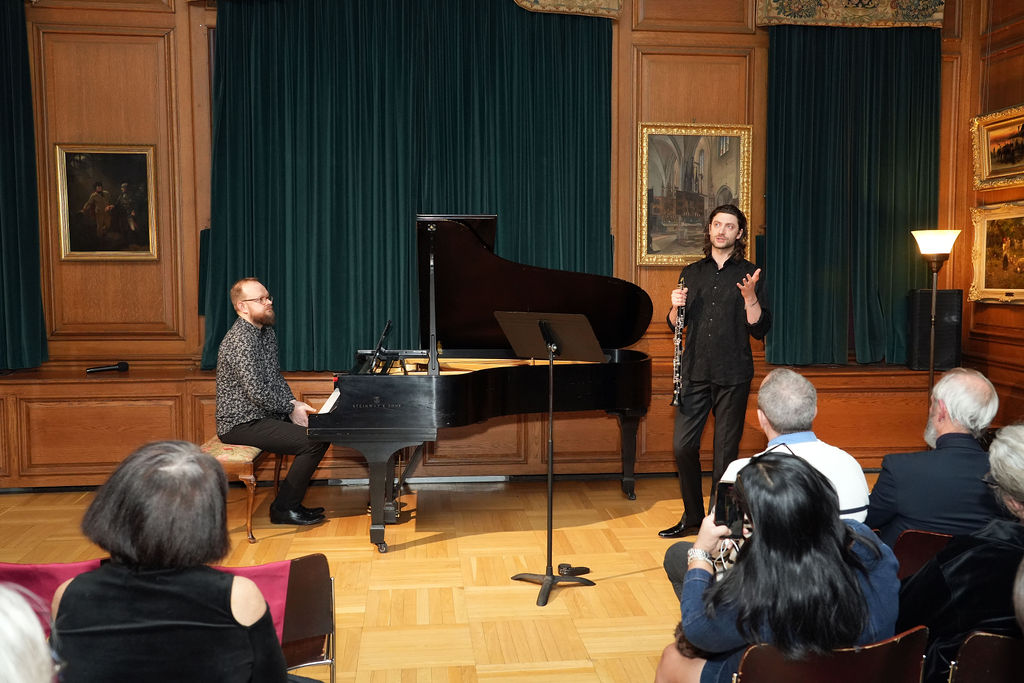
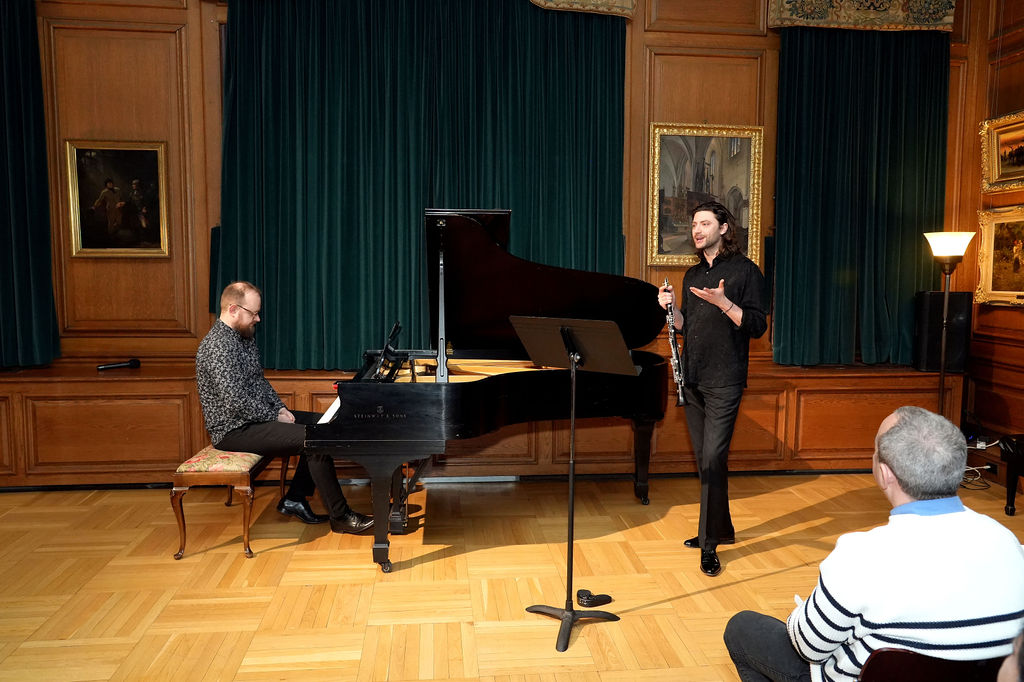
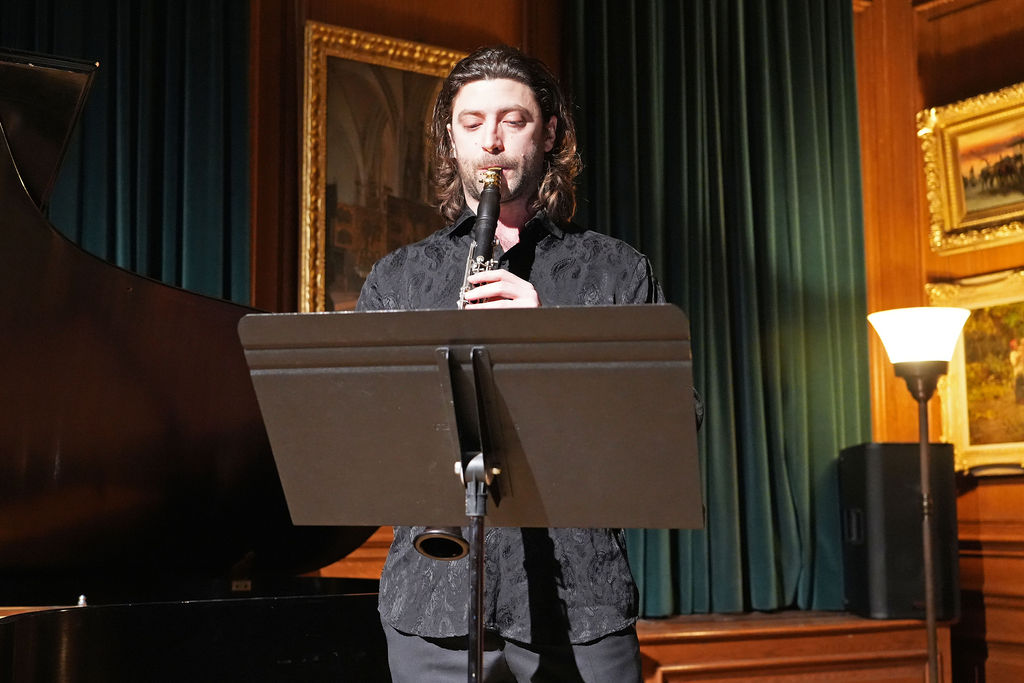
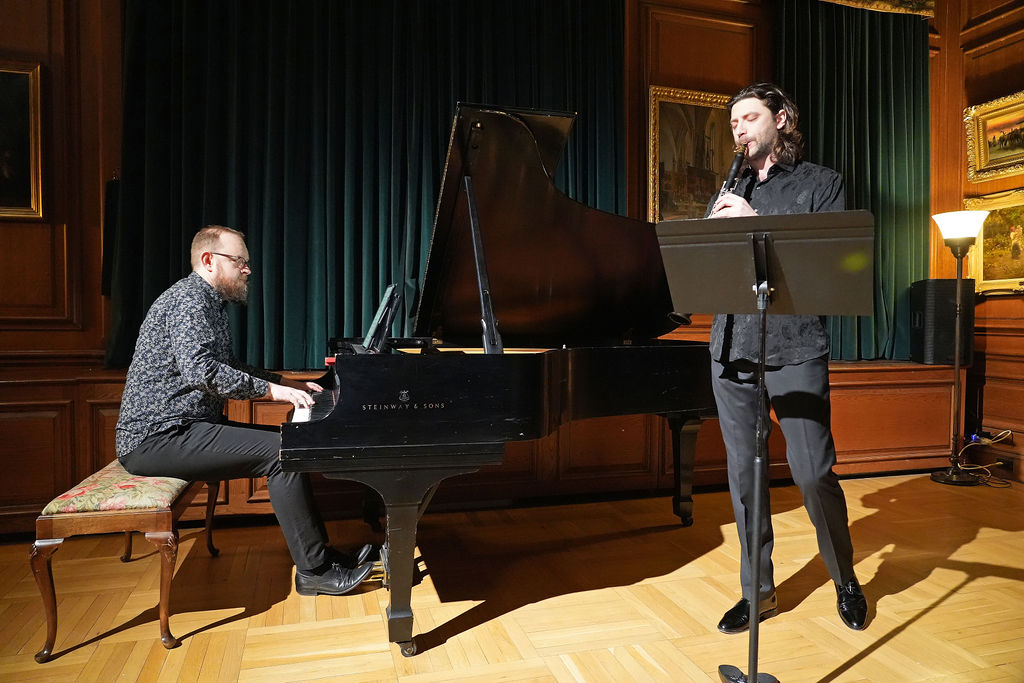
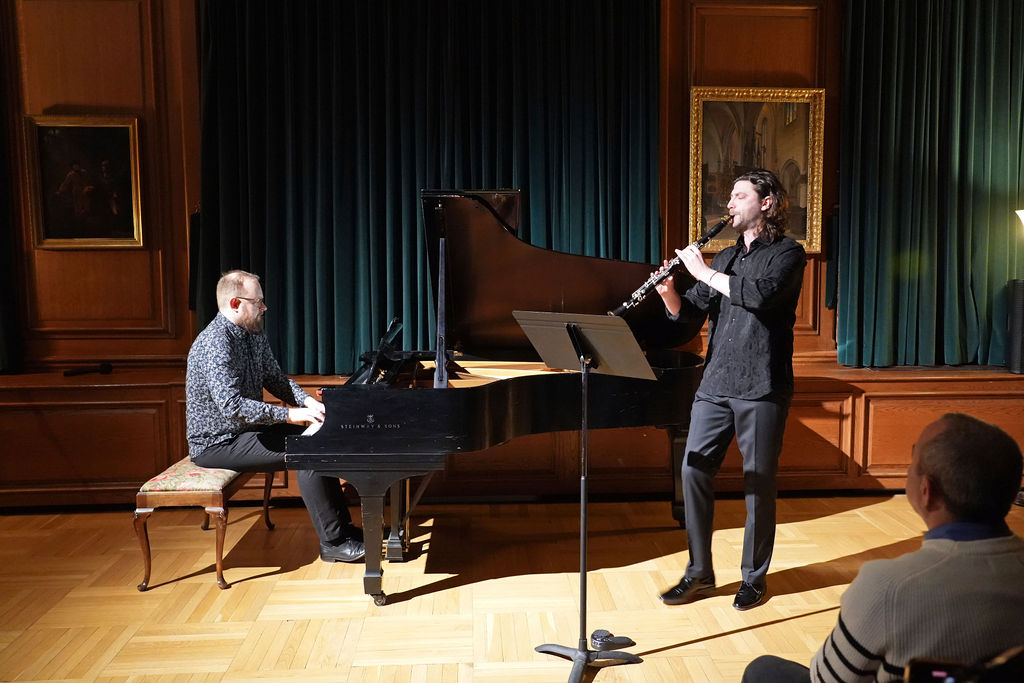
Thanks to YIVO’s extensive archives, which include numerous music collections, both scores and recordings, I was able to study the manuscripts in detail. My research focused on identifying the owners of the sheet music and uncovering information about who performed these pieces and where. I also found evidence of many Jewish musicians from the Limanowa and Nowy Sącz areas who played in orchestras associated with theaters, cinemas, and even the local oil refinery. The culmination of the scholarship was a presentation of my reconstructions and arrangements of the discovered compositions. As part of this project, a concert was held on March 6, 2025, at YIVO, featuring Jewish music based on my research. It was a great honor to premiere my first original composition, written especially for this occasion. Working at the YIVO Institute for Jewish Research felt like stepping into a real treasure vault. The institute, founded in 1925, houses one of the world’s most important archives of Eastern European Jewish culture, and I had access to materials I could only dream of back home in Poland. All of this became possible thanks to the incredible help from renowned clarinetist David Krakauer, composer Alex Weiser, Artistic Programming Director at YIVO and Stefanie Halpern (Director of Collections), who turned out to be wonderful guides through the YIVO archives.
The manuscripts turned out to be so much more than just musical notations on paper. They were fragments of lives, echoes of a world that had been almost completely destroyed. Studying them felt like putting together a story from puzzle pieces. Incredible journey about tradition, adaptation, and resilience. What was particularly rewarding was working with YIVO’s researchers. Their perspective on archival research and Jewish musical traditions opened up new ways of seeing things for me. I came to understand not just the music itself, but the cultural context in which it was created. All these pieces came together thanks to an extraordinary musician David Krakauer, an artist who created his own unique style blending klezmer music with jazz. David guided me through the entire journey, from gathering information and decoding the context of the discovered sheet music all the way to performing it. I had the tremendous privilege of taking individual lessons with him during my stay in New York, where David inspired me to compose my very first piece. Over the course of three months, I managed to catalog and analyze the manuscripts in detail, and even identified several previously unknown pieces. This experience solidified my career path in cultural heritage work. I learned the ins and outs of archival research, digitization processes, and scholarly publishing. Most importantly, though, this work connected me to a fundamental question about cultural survival. Many of the traditions captured in these manuscripts were interrupted or lost during the war. Preserving and studying them isn’t just academic work, it’s a way of keeping memory alive.
New York itself brought new discoveries every day. Sounds of different languages on every street corner, the rhythm of the subway, this mix of cultures and ideas. It’s a city that constantly pushes you to think bigger. In my free time, I explored as much as I could: Greenwich Village, the Upper West Side, and Brooklyn. Each neighborhood felt like its own little world. Museums like the Metropolitan Museum, Whitney Museum of American Art, and MoMA became my second home. I connected with the Polish-American community and attended events organized by both the Kościuszko Foundation and the YIVO. These gatherings showed me how living traditions adapt and survive far from their homeland. Conversations with people whose families had left towns like Limanowa decades ago gave my research a deeply human dimension.
Those three months went far beyond a typical academic opportunity. The scholarship opened up access to resources and mentorship I couldn’t have imagined before, but it also gave me something deeper, a sense of responsibility toward the past and a clearer vision of my own future. For me, this was the adventure of a lifetime that shed new light on so many things. My grandmother, Ina Kalanter, was a Jewish woman who survived the Holocaust. From a large family, only she and her cousin Lutek made it through. I also had the wonderful opportunity to reconnect with my cousin Arlene Stein and her partner Cynthia Chris, spending some really meaningful time together. This was an opportunity for me to learn a great deal about my own family, to hear stories about my grandmother, including those from when she returned to Poland after the war, as well as her professional career. Those conversations filled in pieces of her life I’d never known about.
In New York, I found a vibrant Jewish community that cultivates traditions without living in fear. I felt that it simply exists there, and nobody makes a big deal about it. I experience things very differently in Warsaw. I’m a member of JCC Warsaw myself, and I understood after that trip how important JCC really is for our community. Maybe it’s just wishful thinking or an unrealistic dream but I hope for a moment in my life when being Jewish will be a normal thing in Poland, when it won’t provoke either excessive admiration or negative emotions. The trip to New York was motivating for me, and I’d like to contribute my own small part to that change in the future.
This 3-month research was an incredible experience. The people at the Kosciuszko Foundation were very helpful. They introduced me to other scholars, gave me great advice that helped me during my stay, and offer me my own safe and welcoming space at the Foundation House. I would like to thank all the Kosciuszko Foundation donors for this incredible opportunity. Spending time at YIVO was truly magnificent, but even more impactful was the overall experience of being in the United States. I made numerous new contacts that I hope will pay off in the future through further artistic engagements and will aid my future teaching career.
Explore Kosciuszko Foundation grants, scholarships, and exchange programs: https://thekf.org/grants-scholarships/
You can watch “Andrzej Ciepliński Plays Jewish Clarinet Masterworks” by scanning the QR code. 
What's New?