Families in Flux: Ukrainian Wartime Migration – To and From Poland, 2022-2025
“As I continued my research, I was increasingly aware of the investments and trust required to gain access to the private realm of respondents' family affairs.”
– Natasha Bluth
How Ukrainian wartime migration to Poland reshapes families
Continuing my research project, “FAMILIES IN FLUX: UKRAINIAN WARTIME MIGRATION TO AND FROM POLAND, 2022–25” I reconnected with past study participants, broadened my network of contacts in Krakow, and located new opportunities for ethnographic observation. This work on Ukrainian wartime migration to Poland included 14 interviews—ten follow-ups and four conversations with new respondents. I also collected observations in several settings, hosting a biweekly English-speaking club at a local nonprofit, spending time with respondents in parks with their children, in cafes or attended community events.
Though most attention was given to Krakow-based respondents, I also met twice a week for online Ukrainian–English language exchanges with respondents based in Kyiv. Finally, I met regularly with my faculty advisor at the Cracow University of Economics and with other migration scholars in the community. In December, I submitted a preliminary analysis outlining my data findings, and a plan for the next stage of data collection to my dissertation committee. I also wrote an article on Ukrainian migrant mothers’ decision-making practices, which I plan to submit for publication.
As I continued my research, I was increasingly aware of the investments and trust required to gain access to the private realm of respondents’ family affairs. At times, I have been concerned that respondents are disguising the less pleasant aspects of their family lives and sensed some resistance or discomfort when asking them about certain topics (e.g., spousal relationships). Routine meetings and strategies such as focus groups may help normalize the discussion of more personal or difficult topics in the future.
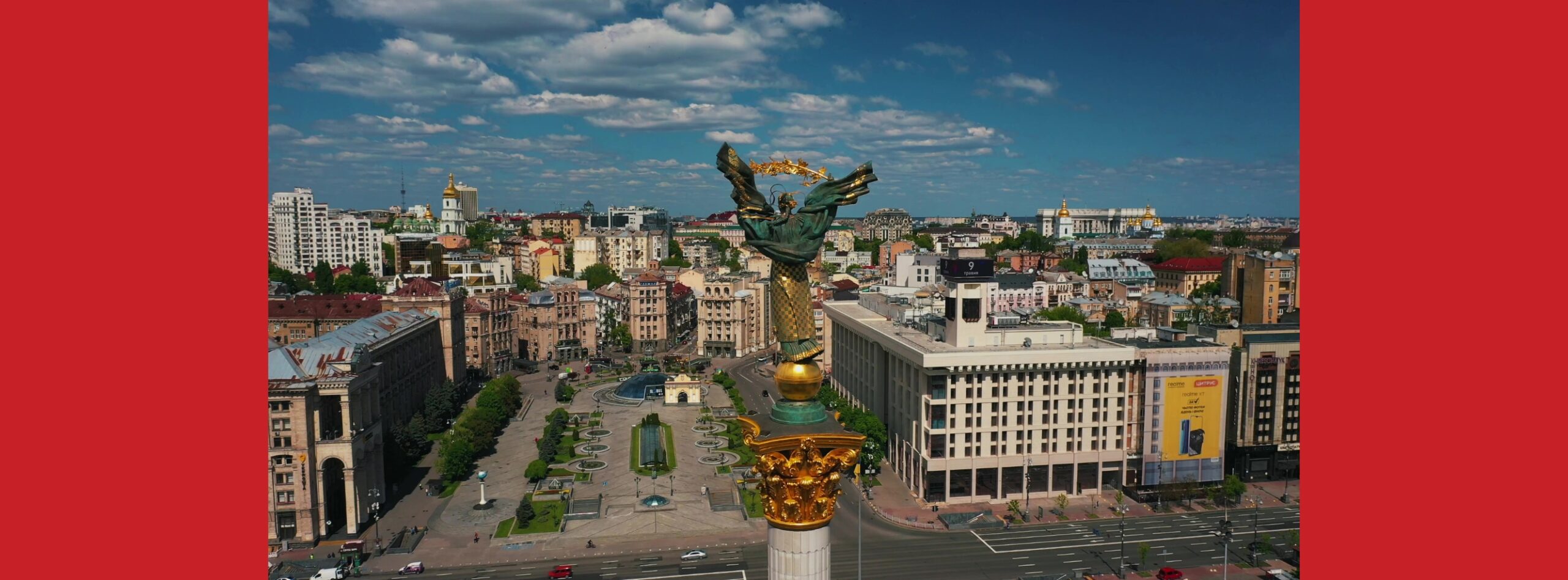
A second challenge was to conduct a study that spans both Ukraine and Poland, but where my access to Ukraine-based respondents remains limited. While the range of observations I could collect in Krakow exceeded those I could collect online, remote meetings with Ukraine-based respondents have provided a window into understanding the lives of return migrants, non-migrants, and their families in Ukraine—and into how Ukrainian wartime migration to Poland looks from both sides of the border.
I plan to continue my ethnographic fieldwork and conduct at least 50 additional interviews with the goal of examining how Ukrainian families experience separation and reunification. This will involve repeated interviews with former respondents, new interviews with multiple family members to examine age and gender dynamics, and conversations with humanitarian workers and government officials in both Poland and Ukraine. The latter two tasks will require new rounds of recruitment, which I plan to accomplish by drawing upon my expanded network of contacts in Krakow. Throughout this time, I will write monthly memos and draft at least one additional dissertation chapter and a corresponding academic paper for publication.
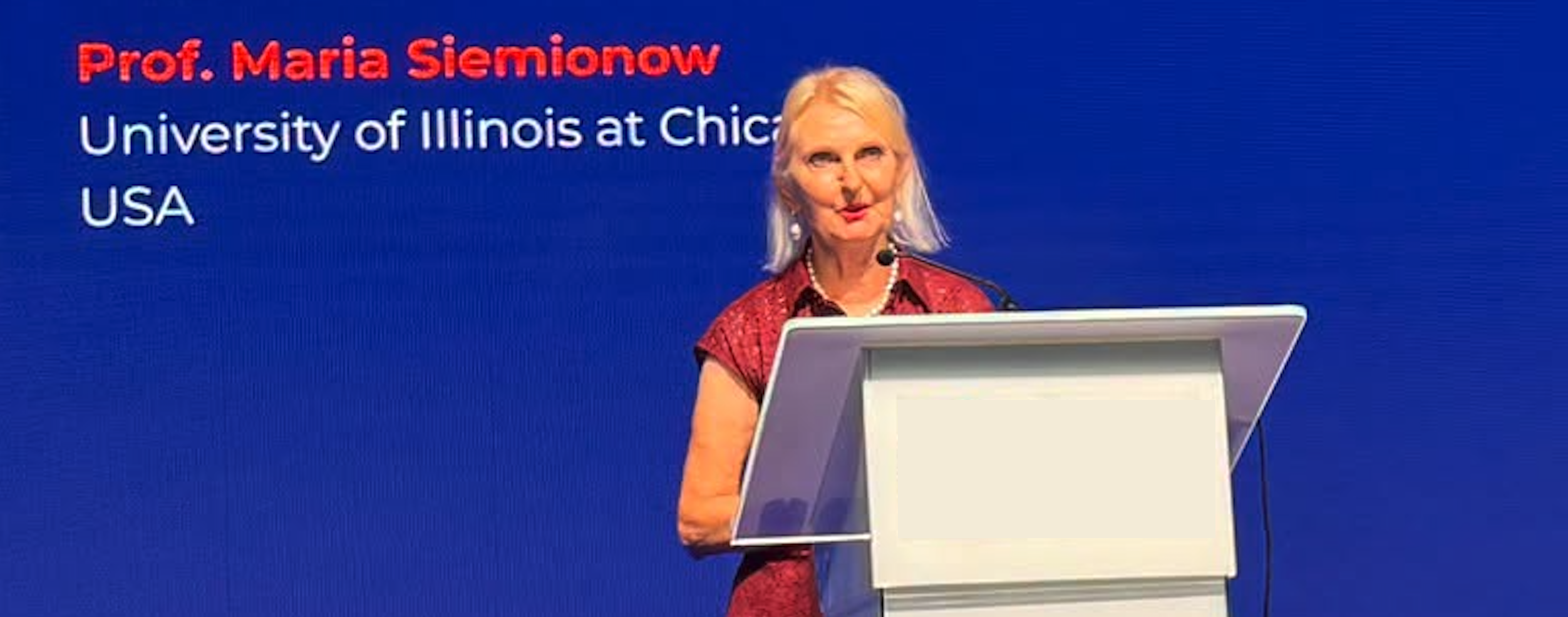
In addition to conducting my research, I also volunteered at Miejsce Otwarte, a community center run by Internationaler Bund Polska, attended a Polish-language class at the Multicultural Center of Krakow, and attended the conference at Jagiellonian University, “Migrants in the Modern World.” I presented a paper at the conference, “The Future of Central and East European Studies in the Light of Russia’s War of Aggression Against Ukraine,” hosted by the Pilecki Institute at the University of Warsaw. I also hosted a Thanksgiving dinner for Polish and Ukrainian friends. Together, these experiences deepen our understanding of Ukrainian wartime migration to Poland and what it means for families living through separation, return, and reunification.
See how KF supports Ukrainian families in Poland: https://thekf.org/a-place-of-healing-kf-supports-rehabilitation-camp-for-ukrainian-families/